

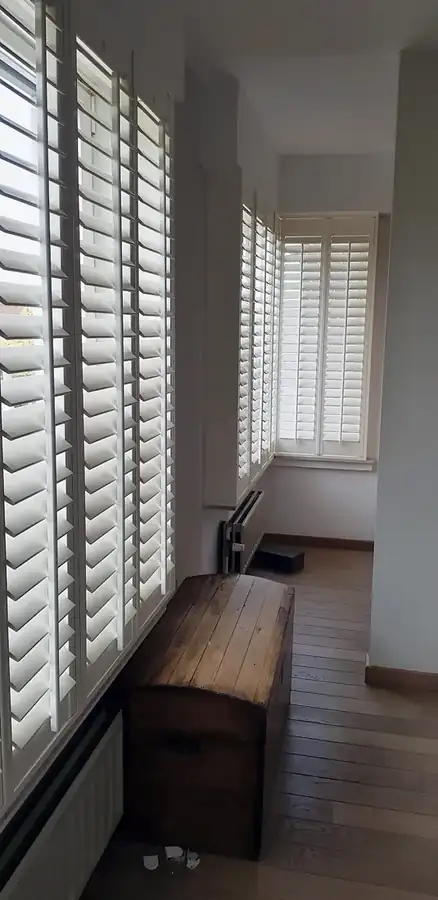


Technical detail
Surface-mounted and concealed hinges side by side
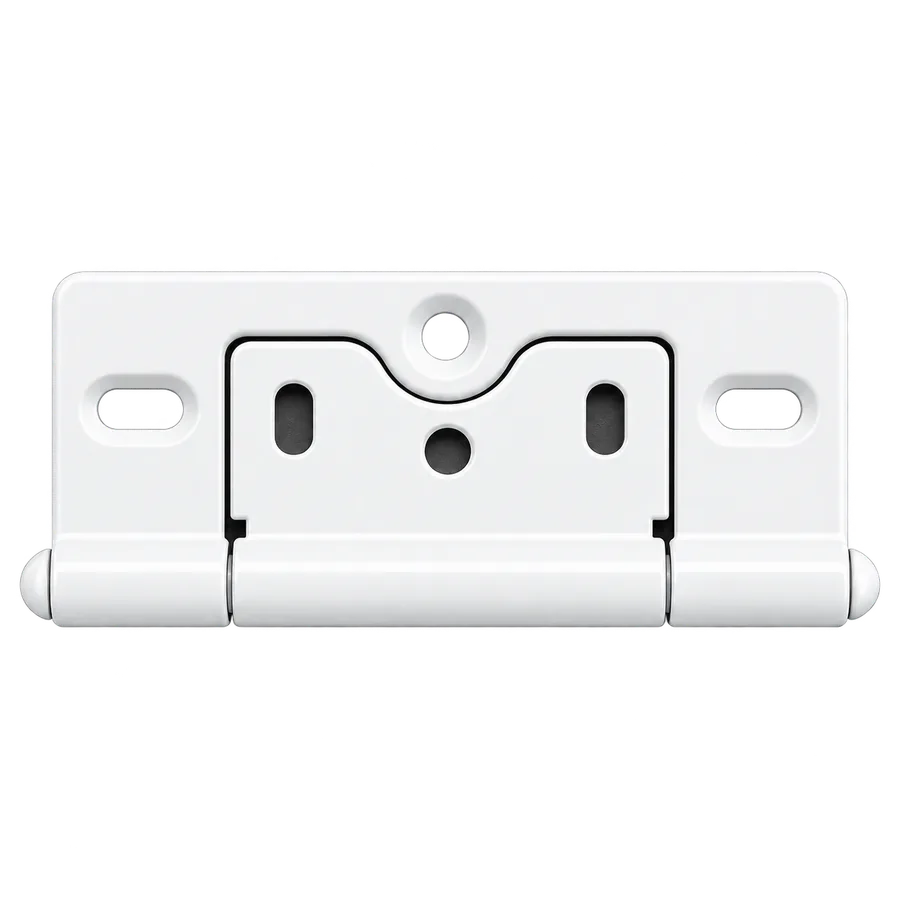
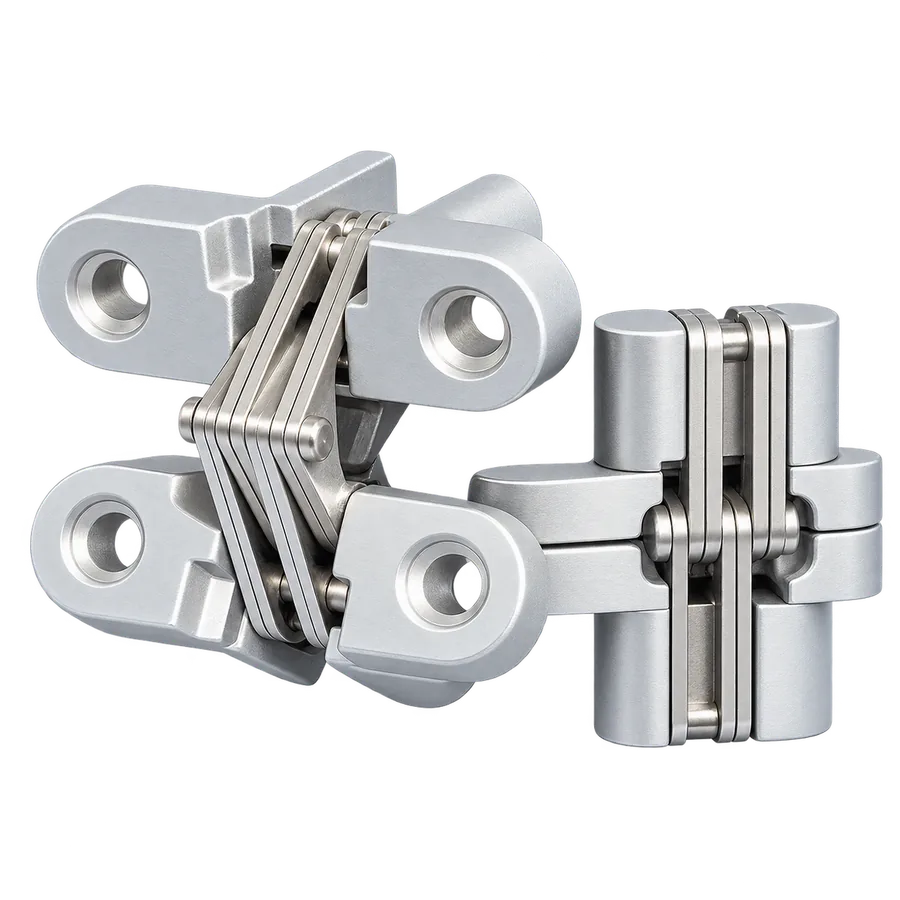
Finishing details
Surface-mounted or concealed hinge: technology and appearance
The hinge is small, but it determines how a shutter panel turns, aligns and appears in the overall design. We choose a version that is technically reliable and visually suited to the window.
A practical, recognisable hinge solution.
Integrated as far as possible into the connection.
Walls, handles and other panels must not obstruct movement.
Panels are aligned and checked for free movement.
Comparison
Surface-mounted and concealed hinges compared
How we work
How we determine the right hinge
Frame and material
We assess how much space and structural strength are available.
Opening direction
We determine where the panel will sit when open.
Details around the window
Handles, walls, radiators and other panels are taken into account.
Installation and adjustment
After installation, the gaps, closing action and free movement are checked.
Personal made-to-measure advice
Which hinge finish suits your shutters?
During the free measuring service, we explain which hinge solution is technically possible and best complements the design.
Hinges determine how a shutter panel opens, closes and remains aligned. They may be small visually, but they are technically important. The choice between a concealed and surface-mounted hinge depends on the frame, panel size, material and available turning space.
Concealed hinge for a clean line
A concealed hinge is integrated as far as possible into the connection between the frame and panel. This keeps the front face visually calm. The construction must provide sufficient material and space for the hinge to be installed reliably.
Surface-mounted hinge as a visible, practical solution
A surface-mounted hinge remains more visible, but with certain frames, panel directions or installation situations it may be the most logical choice. A surface-mounted hinge was used for the kitchen project in Ranst.
Opening angle and adjacent elements
The hinge position determines where a panel sits when open. Walls, handles, radiators and other shutter panels must not obstruct its movement.
Adjusting after installation
After installation, the gaps and closing action are checked. A panel must move freely without dropping or catching. Minor adjustments are part of a precise handover and may sometimes be needed again later.
Do not choose based on appearance alone
A less visible hinge is not automatically technically better. The best solution is the version that operates smoothly over time while matching the desired appearance.
In practice
See how these choices work in real homes
The projects below were measured and installed by DeVo. You can see real colours, window shapes and technical solutions.


Frequently asked questions
What is the difference between a concealed and surface-mounted hinge?
A concealed hinge is visually integrated more closely into the frame and panel. A surface-mounted hinge remains more visible and may be more practical or technically suitable for certain constructions.
Is a concealed hinge always better?
No. The best choice depends on the panel size, frame, opening direction, material and available space. Technical reliability takes precedence over visual preference alone.
Can shutter hinges be adjusted later?
Many hinge configurations can be adjusted to a limited extent after installation. If a panel catches, sits unevenly or develops a changed gap, timely servicing is advisable.
Is the same solution suitable for every window or room?
No. The choice, adjustment and maintenance of visible and concealed hinges. Window type, dimensions, installation position, material load and everyday use are assessed for each situation.
What does DeVo check during the professional site survey?
We take measurements at multiple points and check the frame, reveal, handles, opening direction, windowsill, available panel clearance, and the desired louvre and panel configuration, among other details.
How do louvre size and panel configuration affect the result?
They determine how many lines you see, how open the view through is and how practically the panels can open. The proportions in relation to the window matter more than one standard size.
Can I compare materials, colours and operating options first?
Yes. During your consultation and in the Oud-Turnhout showroom, you can compare current collections, colour samples, louvre sizes and operating options side by side.